How Do I Find Land for a Modular Home in California?
How Do I Find Land for a Modular Home in California?
Finding land for a modular home in California starts with identifying a property that fits your budget, meets local zoning and building requirements, and can accommodate the transportation and placement of a factory-built home.
California Modular Houses, Inc. recommends working with a qualified real estate agent to locate suitable properties while considering modular home designs, financing, site development costs, and delivery access. Before purchasing land, buyers should verify that the property is buildable and that a modular home can realistically be delivered and placed on the site.
We can help prospective homeowners understand modular home pricing, evaluate modular delivery requirements, and plan the next steps toward building a modular home in California.
Where Can I Find Land for a Modular Home?
The best way to find land for a modular home is to work with a real estate agent who actively searches for properties that meet your budget, location preferences, and building requirements.
Land for modular homes can be found through:
Local real estate agents specializing in vacant land.
Multiple Listing Service (MLS) property listings.
Online real estate websites featuring residential lots and acreage.
Local land brokers and property specialists.
Direct property listings and private sellers.
Rural and suburban land opportunities.
A good real estate agent can help identify properties that may accommodate your modular home, provide access to available listings, and guide you through the purchasing process.
California Modular Houses, Inc. is not a real estate company and does not sell land. However, we can provide general modular home pricing and guidance while you search for a property.
What Should I Look for When Buying Land for a Modular Home?
Not every vacant lot is suitable for a modular home. Before purchasing land, it is important to evaluate the property's buildability, access, utilities, site conditions, and local permitting requirements.
1. Verify Zoning and Property Buildability
Before making an offer on land, contact the appropriate city or county planning department to determine whether a modular home is permitted on the property.
Important questions include:
Is residential construction allowed on the property?
Are there minimum lot sizes or setback requirements?
Are there restrictions on the home's size or height?
Are there HOA rules or deed restrictions affecting construction?
Is the property located in a fire hazard, flood, or other special regulatory area?
Are there easements or access restrictions?
Will the property require additional planning approvals?
A qualified real estate professional and the appropriate local jurisdiction can help you investigate these questions before purchasing the property.
2. Evaluate Modular Home Delivery and Crane Access
One of the most important considerations when buying land for a modular home is whether the home can physically be transported to the property and placed on its foundation.
Modular homes are delivered in large sections using specialized transportation equipment. Depending on the home design and delivery route, access requirements can be substantial.
California Modular Houses, Inc. evaluates modular delivery feasibility by considering factors such as:
Road width and available turning space.
Sharp turns and steep uphill roads.
Access from the freeway or primary transportation routes.
Overhead power lines and other obstructions.
Available space for trucks and cranes.
The location of the building pad and crane setup area.
Terrain and site conditions affecting delivery.
A property may look ideal when viewed in person but still present significant challenges for modular home transportation.
This is why modular delivery feasibility should be evaluated before you remove property purchase contingencies.
3. Consider Utilities and Site Development Costs
Buying land is only one component of building a modular home.
Most properties require additional work before a home can be placed on the site, including:
Foundation construction.
Electrical service.
Water connections or a well.
Sewer connections or septic systems.
Grading and site preparation.
Driveways and access roads.
Drainage improvements.
Fire access and other local requirements.
Some properties require substantially more site development than others.
A relatively inexpensive piece of land may become much more expensive to develop if it requires extensive grading, retaining walls, utility extensions, or other improvements.
Before purchasing land, investigate the likely site development requirements and include them in your preliminary budget.
Can California Modular Houses Help Me Find Land?
California Modular Houses, Inc. is not a real estate brokerage and does not negotiate land purchases or sell property.
However, we can provide general pricing information for modular homes while you search for land, helping you understand what type of home may fit your budget.
Once you have a property under your control, we can assist with the modular home planning process and help coordinate the preparation of plans and documents needed for submission to the local planning and building departments.
We also offer a Modular Feasibility Study to evaluate important modular delivery considerations, including transportation and access to the building site.
This service is particularly important when purchasing property with limited access, narrow roads, steep terrain, or other potential delivery challenges.
What Is the Best Order for Buying Land and Building a Modular Home?
One of the most common questions prospective modular home buyers ask is whether they should purchase land, select a home, obtain contractor pricing, or secure financing first.
At California Modular Houses, Inc., we generally recommend the following progression.
Step 1: Find and Secure Your Property
Work with a qualified real estate agent to identify land that meets your location, budget, and property requirements.
Many buyers purchase property using cash or a land loan.
Step 2: Choose Your Modular Home
Once you have identified a suitable property, select a stock, semi-custom, or custom modular home design that fits your needs and budget.
California Modular Houses can provide pricing for the modular home itself, including applicable delivery and transportation costs.
Step 3: Prepare Construction Plans and Engineering
Develop the construction documents needed for the modular home and the site improvements.
This may include:
Modular home plans.
Foundation plans.
Site plans.
Structural engineering.
Soils reports.
Utility plans.
Other documents required by the local jurisdiction.
Step 4: Submit Plans for Permits
Submit the necessary plans to the appropriate city or county planning and building departments.
Local jurisdiction requirements and plan review timelines vary depending on the property and project.
Step 5: Obtain Contractor Pricing for Site Work
Once the construction documents are sufficiently complete, a qualified licensed general contractor can prepare pricing for the on-site construction work.
This includes the foundation, site development, utility connections, and other improvements required for the project.
California Modular Houses, Inc. does not perform or estimate this on-site construction work.
Step 6: Complete Construction Financing
Once the plans, permits, and contractor pricing are established, buyers can work with a lender experienced in modular home construction financing to determine the appropriate construction loan.
This sequence helps establish a more complete understanding of the project costs before construction begins.
How Much Land Should I Buy for a Modular Home?
The amount of land needed for a modular home depends on the home design, property dimensions, local zoning requirements, setbacks, access, and site development conditions.
A smaller residential lot may accommodate a modular home if it meets applicable requirements and provides adequate access for delivery.
Larger properties may provide more flexibility for:
Larger modular homes.
Garages and additional structures.
ADUs.
Septic systems.
Driveways and parking.
Outdoor living areas.
Future improvements.
Rather than purchasing land based solely on acreage, buyers should focus on the property's buildability and its ability to accommodate the home they intend to build.
What Is a Modular Home Feasibility Study?
A modular home feasibility study helps determine whether a particular property can accommodate the delivery and placement of a modular home.
California Modular Houses, Inc. offers Modular Feasibility Studies to evaluate important transportation and delivery considerations before buyers move forward with their property.
This can be especially valuable for properties with:
Narrow access roads.
Difficult turns.
Steep grades.
Overhead obstructions.
Limited crane setup areas.
Challenging terrain.
Evaluating these conditions early can help buyers avoid purchasing land that presents unexpected modular delivery problems.
How Much Does It Cost to Build a Modular Home in California?
California Modular Houses, Inc. typically provides modular home pricing in the range of approximately $250–$400 per square foot delivered, including sales tax and transportation, depending on the model, design, and selected options.
The total project cost is higher because building a modular home also requires site development, foundations, utilities, plans, engineering, permits, and contractor work.
A preliminary budget should account for:
Land purchase.
Modular home purchase.
Modular home upgrades.
Plans and engineering.
Foundation and site development.
Contractor construction costs.
Utility connections.
City and county fees.
Contingency funds.
A complete project budget can only be established after the plans and site requirements have been sufficiently developed for a licensed contractor to provide accurate pricing.
Start Your Modular Home Project With California Modular Houses, Inc.
Finding the right property is the first major step toward building a modular home in California.
California Modular Houses, Inc. specializes in factory-built modular homes and ADUs constructed to the applicable California residential building codes.
We can help you understand modular home pricing, select a home design, evaluate delivery feasibility, and prepare for the planning and permitting process once you have land.
Our goal is to help you build a quality home while maintaining reasonable cost controls and avoiding unnecessary surprises.
If you are searching for land for a modular home in California, start by finding a qualified real estate agent and identifying a property that meets your needs. Once you have land under your control, California Modular Houses, Inc. can help you take the next steps toward building your modular home.
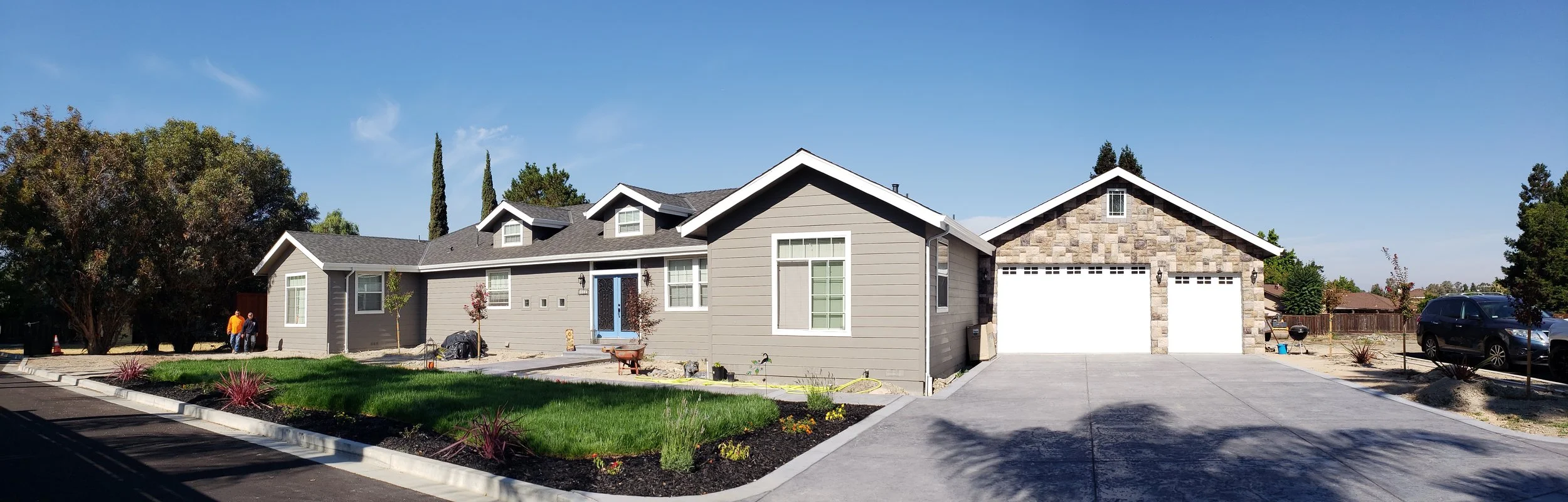
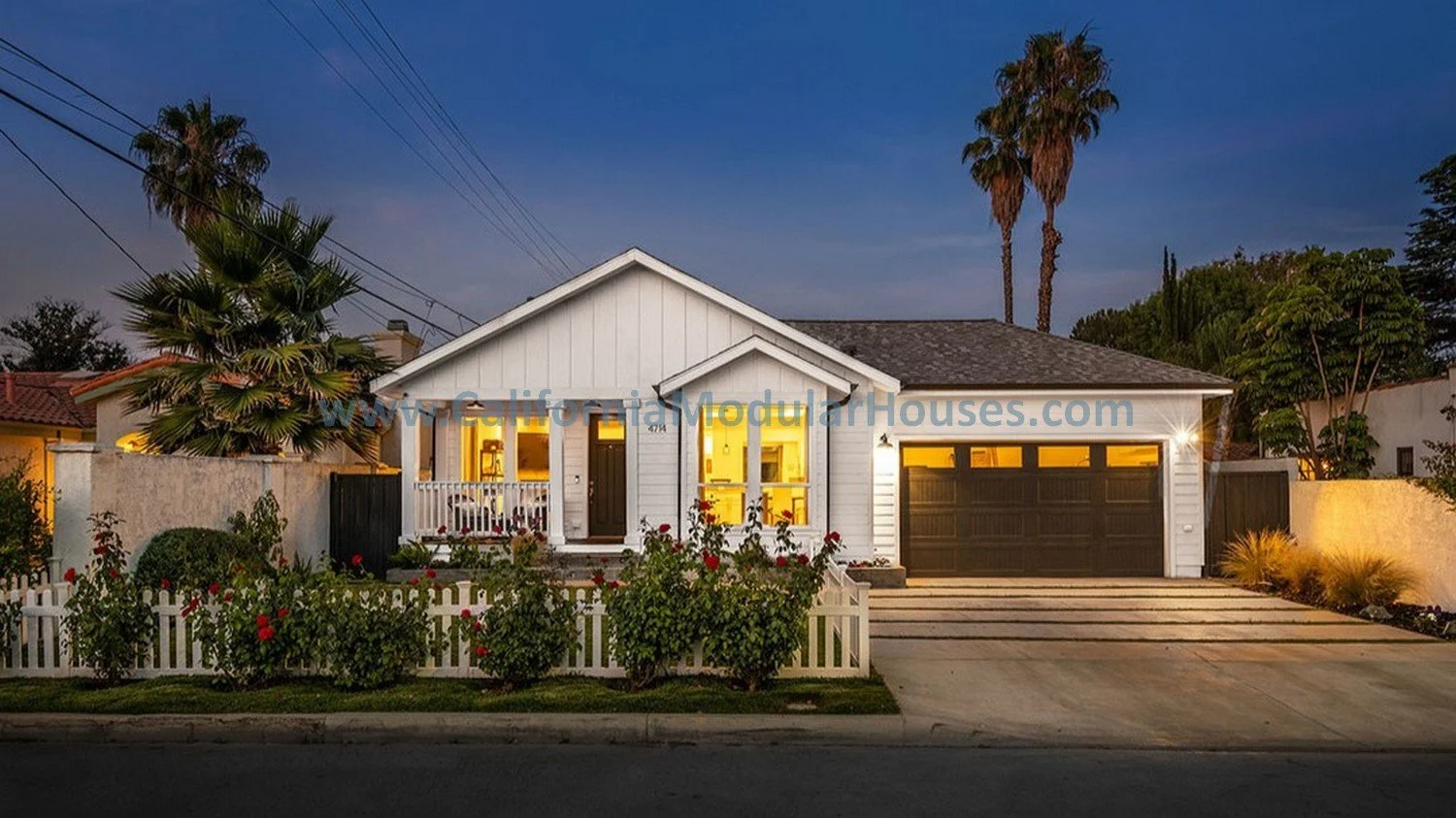
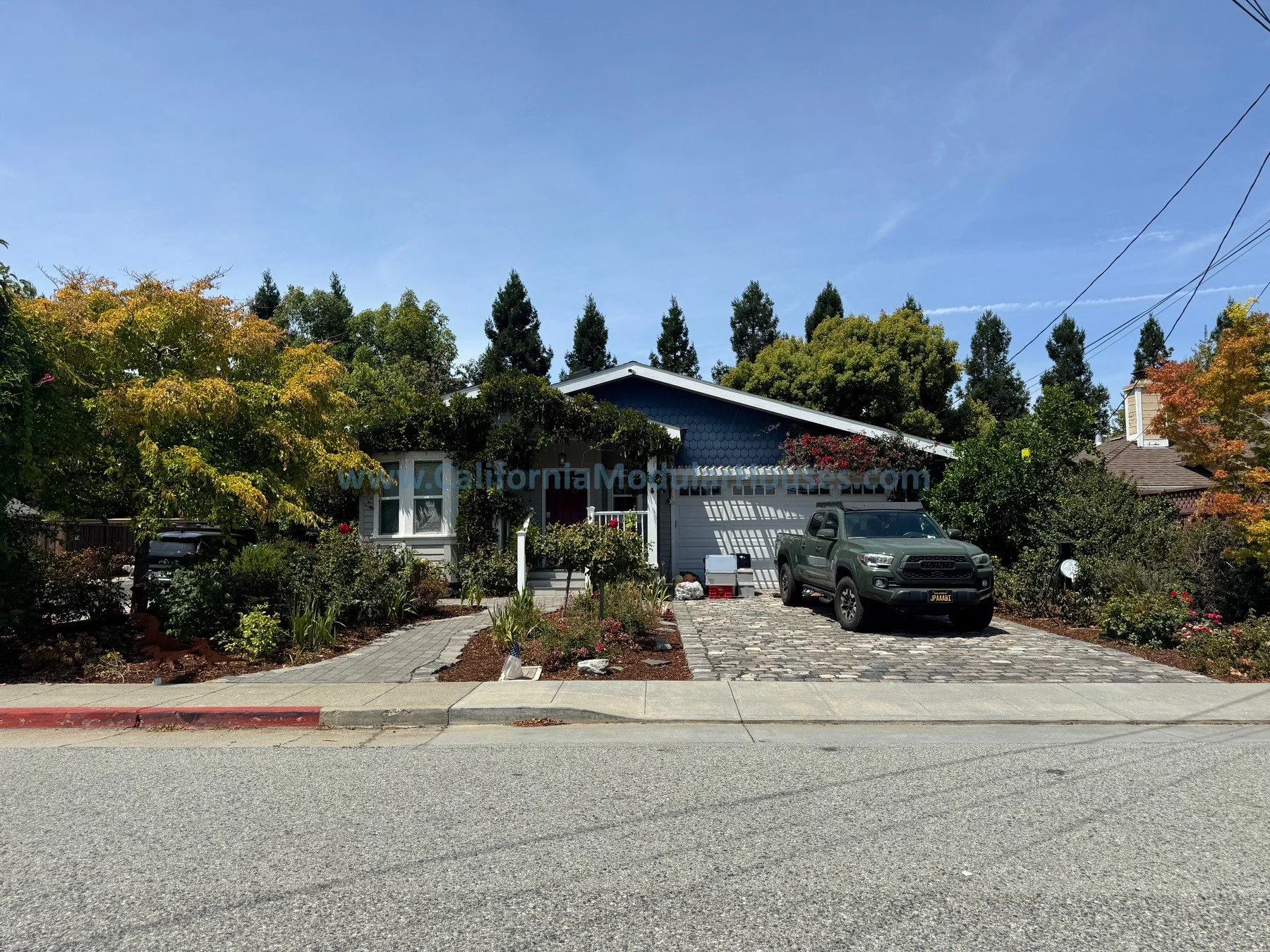
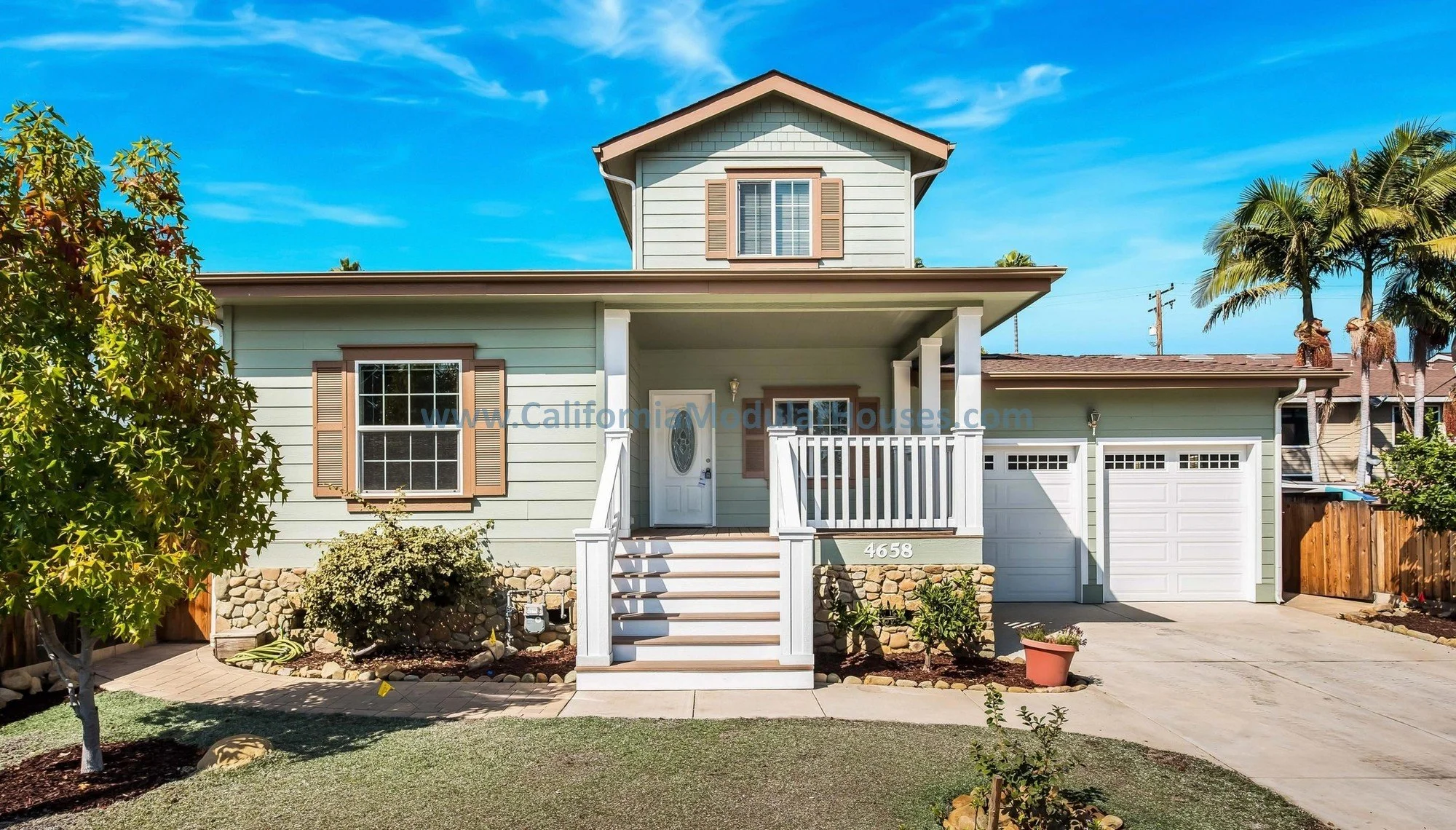
View our modular home projects across the state of California. Addresses are approximate to protect client privacy.