What is the Difference Between Modular, Manufactured, and Prefab Homes?
What Is the Difference Between Modular, Manufactured, and Prefab Homes?
The difference between modular, manufactured, and prefab homes primarily comes down to how they are constructed, which building codes they follow, how they are transported, and how they are placed on a property.
At California Modular Houses, Inc., we specialize in modular homes, a type of prefabricated housing constructed in a factory and built to the same applicable state and local building codes as traditional site-built homes. Although modular and manufactured homes are both factory-built, they are fundamentally different types of housing.
What Is a Prefab Home?
A prefab home, short for prefabricated home, is a home that is manufactured partly or entirely in a factory before being transported to its building site. Prefabricated housing is an umbrella term that includes modular homes, manufactured homes, and other factory-built construction methods.
The term prefab describes where and how a home is constructed rather than a specific building code or classification. Therefore, not all prefab homes are modular homes, and not all prefab homes are manufactured homes.
What Is the Difference Between Modular and Manufactured Homes?
The primary difference between modular and manufactured homes is their building code and structural construction.
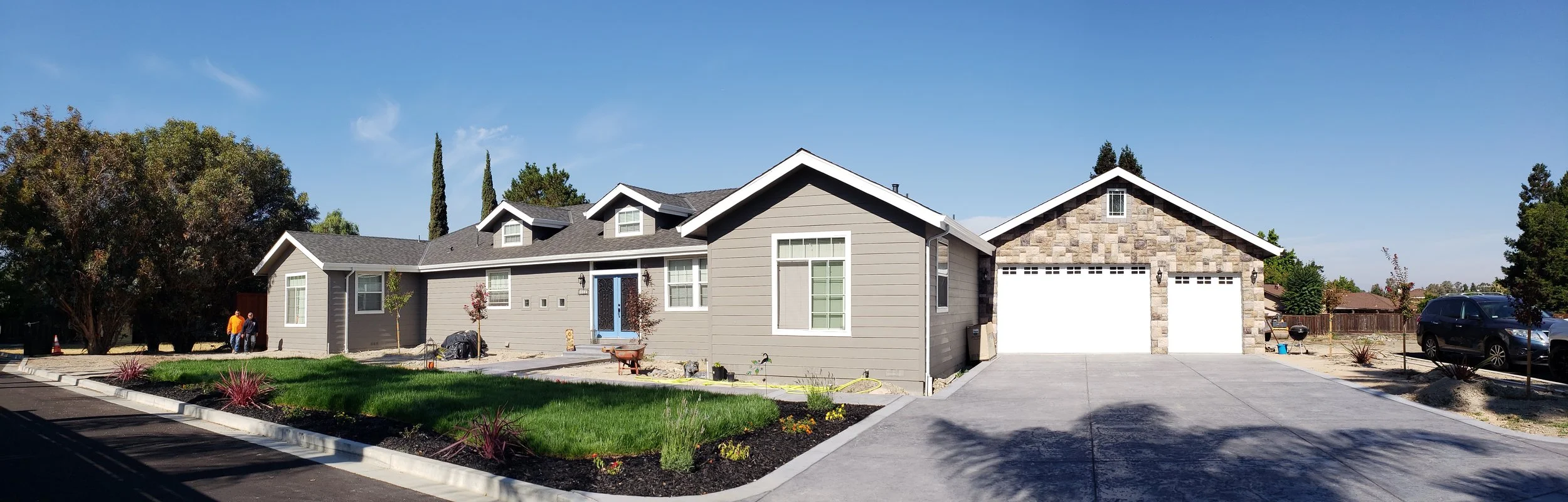
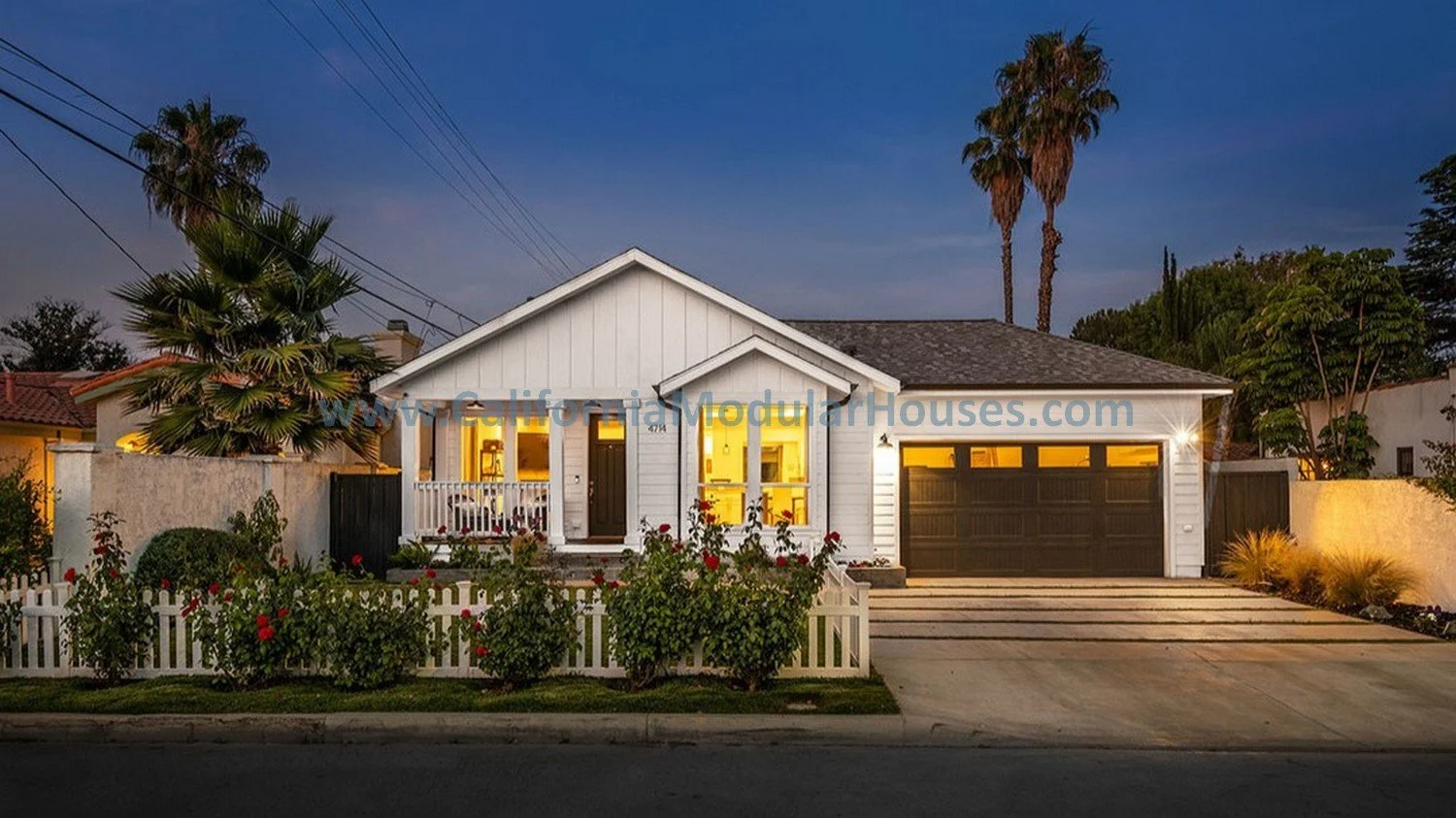
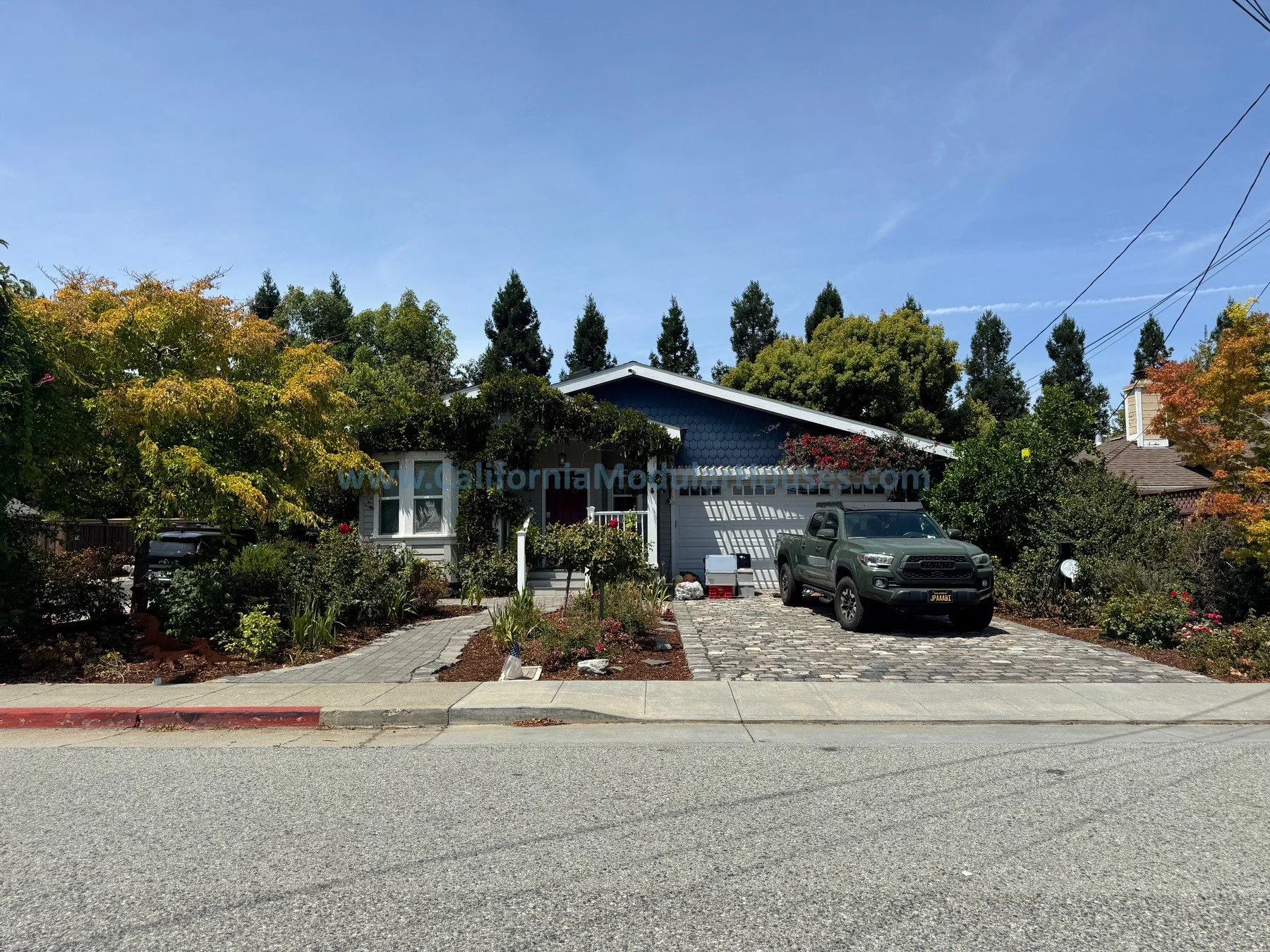
Modular homes are constructed in factory-built sections called modules and assembled on a permanent foundation. They follow the applicable state and local building codes for the location where the home will be placed.
Manufactured homes, commonly called mobile homes or HUD homes, are constructed on a permanent steel chassis and built according to the federal HUD Manufactured Home Construction and Safety Standards.
Manufactured Homes (HUD Homes, Mobile Homes, and Trailer Homes)
Manufactured homes are factory-built residences constructed on an integral steel chassis and regulated by a federal building standard known as the HUD Code.
Common characteristics of manufactured homes include:
Permanent steel chassis: Manufactured homes are constructed on an integral steel frame that remains part of the home throughout its life.
HUD identification: Manufactured homes carry federally required identification and certification labels.
Federal building standards: Manufactured homes follow the HUD Code rather than the same state and local residential building codes applicable to modular homes.
Architectural limitations: Many manufactured homes feature simpler roof designs and layouts, although architectural options vary by manufacturer and model.
Financing differences: Depending on the property and financing arrangement, manufactured homes may be financed as personal property or as real estate when qualifying requirements are met.
Modifications and additions: Alterations to manufactured homes may involve additional engineering, regulatory approvals, and inspections, depending on the scope of work.
Resale considerations: Manufactured homes can have different appraisal, financing, disclosure, and resale considerations compared with modular homes.
Manufactured homes are generally less expensive upfront than modular homes. However, buyers should compare the total cost of ownership, including upgrades, foundation requirements, transportation, site preparation, and long-term property considerations.
Modular Homes (Prefab and Factory-Built Homes)
Modular homes are prefabricated residences constructed in factory-built sections and transported to a building site for assembly on a permanent foundation.
Unlike manufactured homes, modular homes are built to the applicable state and local building codes governing traditional site-built residences.
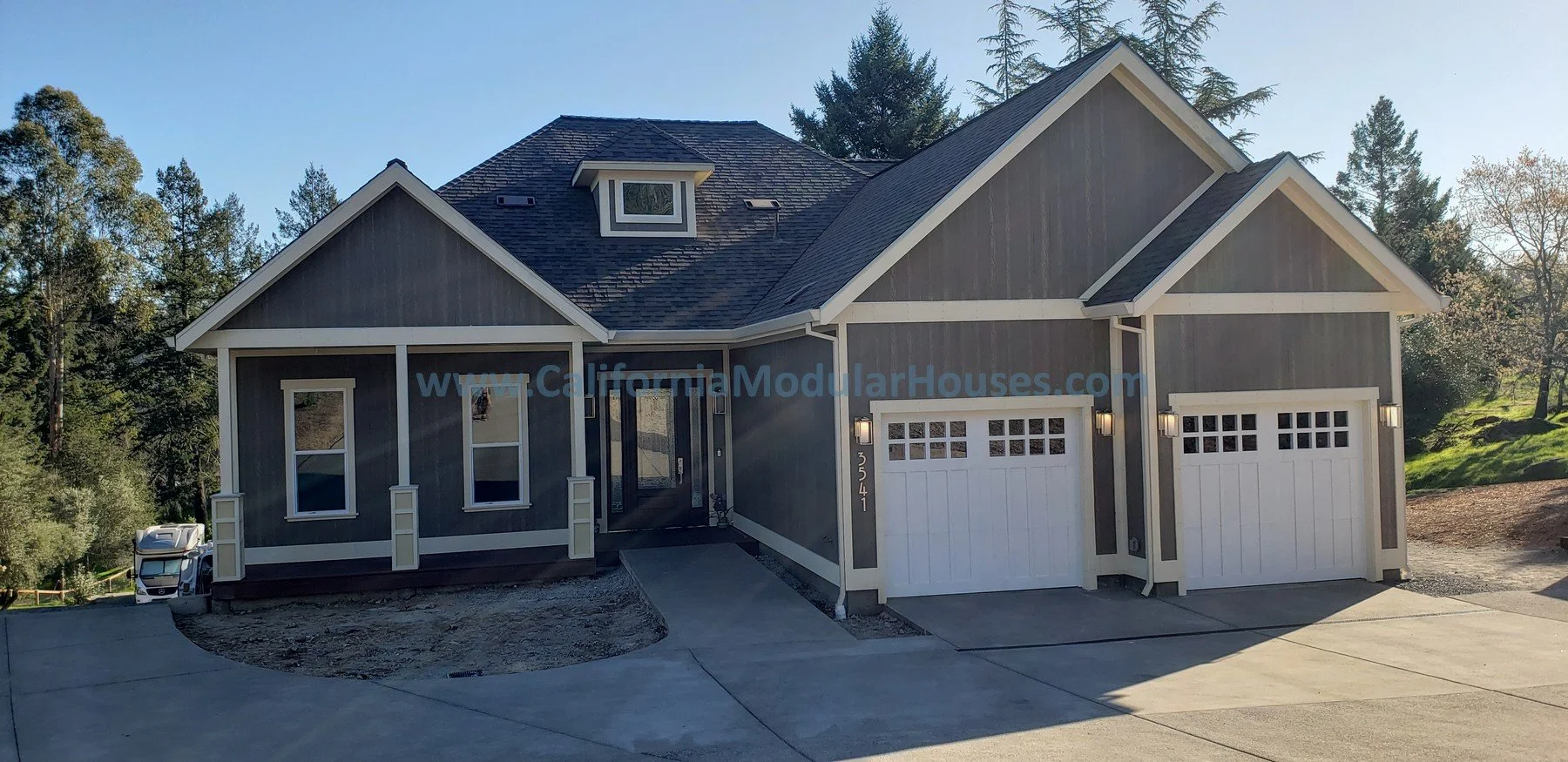
At California Modular Houses, Inc., modular homes offer the advantages of factory construction while maintaining the architectural flexibility and residential building standards associated with conventional homes.
Common characteristics of modular homes include:
Permanent foundation: Modular homes are typically placed on a permanent foundation, such as a raised perimeter concrete foundation.
Wood-framed construction: Modular homes commonly use wood floor joists or floor trusses, similar to traditional residential construction.
State and local building codes: Modular homes are designed and constructed to comply with applicable residential building codes for their installation location.
Architectural flexibility: Modular homes can accommodate a wide range of roof pitches, exterior styles, floor plans, and architectural designs.
Custom home designs: Modular home plans can be customized to accommodate individual preferences, property conditions, and local jurisdiction requirements.
Conventional residential financing: Modular homes on qualifying permanent foundations can generally be financed through conventional residential construction and mortgage lending processes.
Residential resale: Modular homes are generally treated as conventional residential housing rather than HUD-code manufactured housing, subject to applicable state and local requirements.
Future additions: Modular home plans and construction documentation can help support future additions or modifications, subject to engineering, permitting, and local approval.
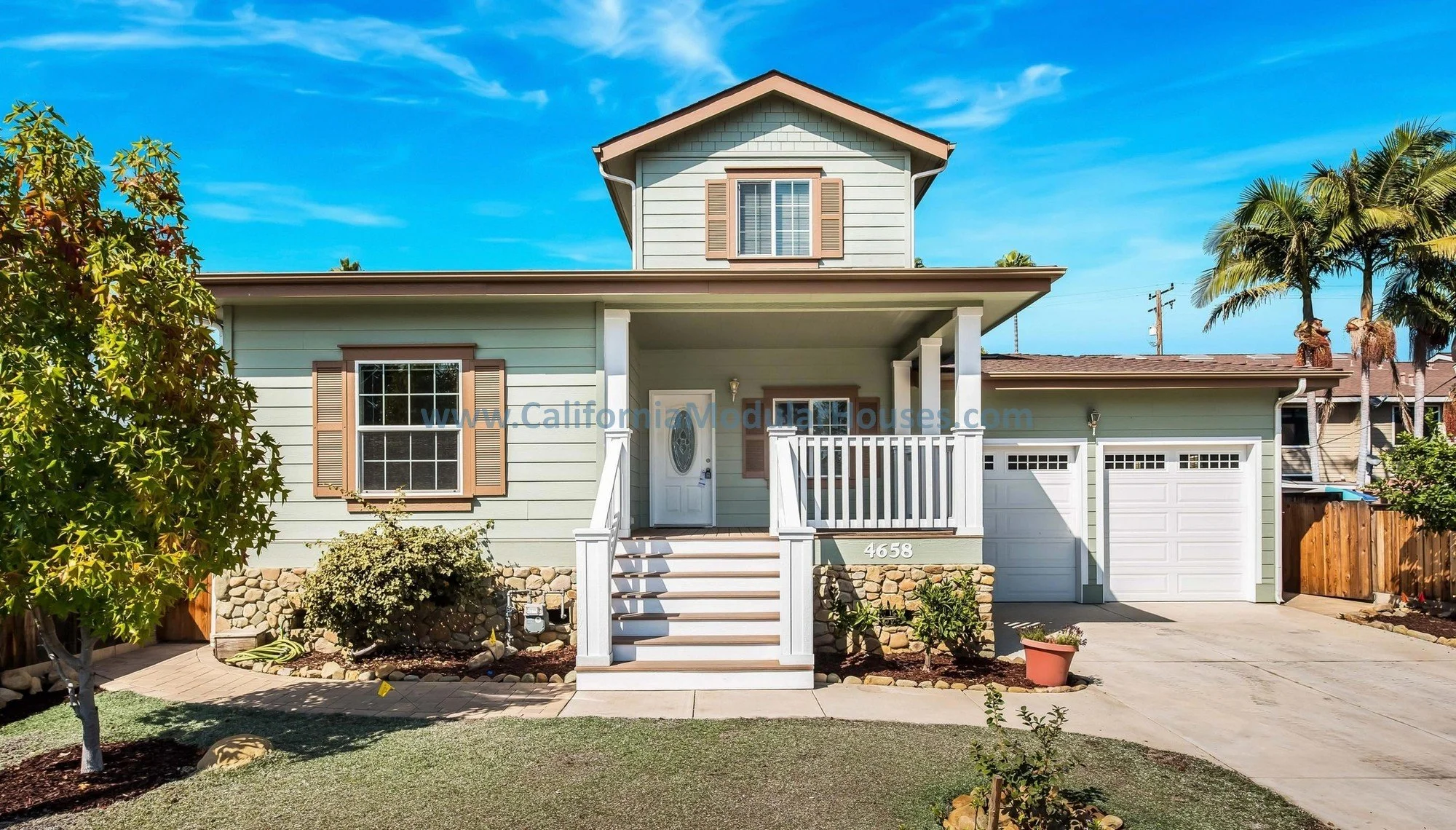
Multistory construction: Modular construction can accommodate two-story and three-story wood-framed homes, as well as larger multifamily buildings when appropriately designed and engineered.
Are Modular Homes Built Better Than Manufactured Homes?
Modular homes can offer structural and architectural advantages over many manufactured homes because they are designed to meet the applicable residential building codes for their installation location.
For example, California Modular Houses, Inc. offers modular homes with standard 2x6 exterior wall framing, compared with the 2x4 exterior framing commonly found in many traditional site-built homes.
Factory construction also allows modular homes to be assembled under controlled conditions before transportation to the building site.
The exact materials, structural specifications, energy efficiency, and finishes depend on the manufacturer, home design, and selected options.
Which Is Better: Modular or Manufactured Homes?
The best choice depends on your budget, property, architectural preferences, and long-term plans.
Manufactured homes may be attractive to buyers seeking a lower initial purchase price and a relatively simple housing option.
Modular homes may be a better fit for buyers seeking greater architectural flexibility, conventional residential building standards, custom home designs, and long-term residential property considerations.
When comparing the two, buyers should evaluate the complete project cost rather than the home price alone.
Why Choose California Modular Houses, Inc.?
California Modular Houses, Inc. specializes in factory-built modular homes designed to combine the efficiency of prefabricated construction with the flexibility of conventional residential architecture.
Our modular homes can accommodate a wide range of architectural styles, custom floor plans, and residential building requirements.
Whether you are considering a primary residence, an accessory dwelling unit (ADU), a custom modular home, or a multifamily modular building, understanding the difference between modular and manufactured housing is an important first step.
If you want a factory-built home that offers the architectural flexibility, residential building standards, and design possibilities of a traditional home, modular construction is an option worth exploring.
Contact California Modular Houses, Inc. to learn more about our modular home designs and available options.